Key Takeways
- Thailand’s electric vehicle (EV) production has sharply increased as automakers rush to meet government deadlines set by the national incentive scheme. This shift marks a move to localize EV manufacturing after years of relying on tax-free imports.
- The surge is propelled by the EV3.0 program, requiring companies to balance imports of fully built EVs with local assembly. As deadlines loom, manufacturers are ramping up production, aligning their operations with rising domestic demand for battery electric vehicles.
- This transition reflects a significant transformation in Thailand’s auto industry, with factories adapting for EV assembly, and an increase in the market share of passenger EVs. While traditional engine exports decline, the EV boom positions Thailand as a key player in electric mobility in the region.
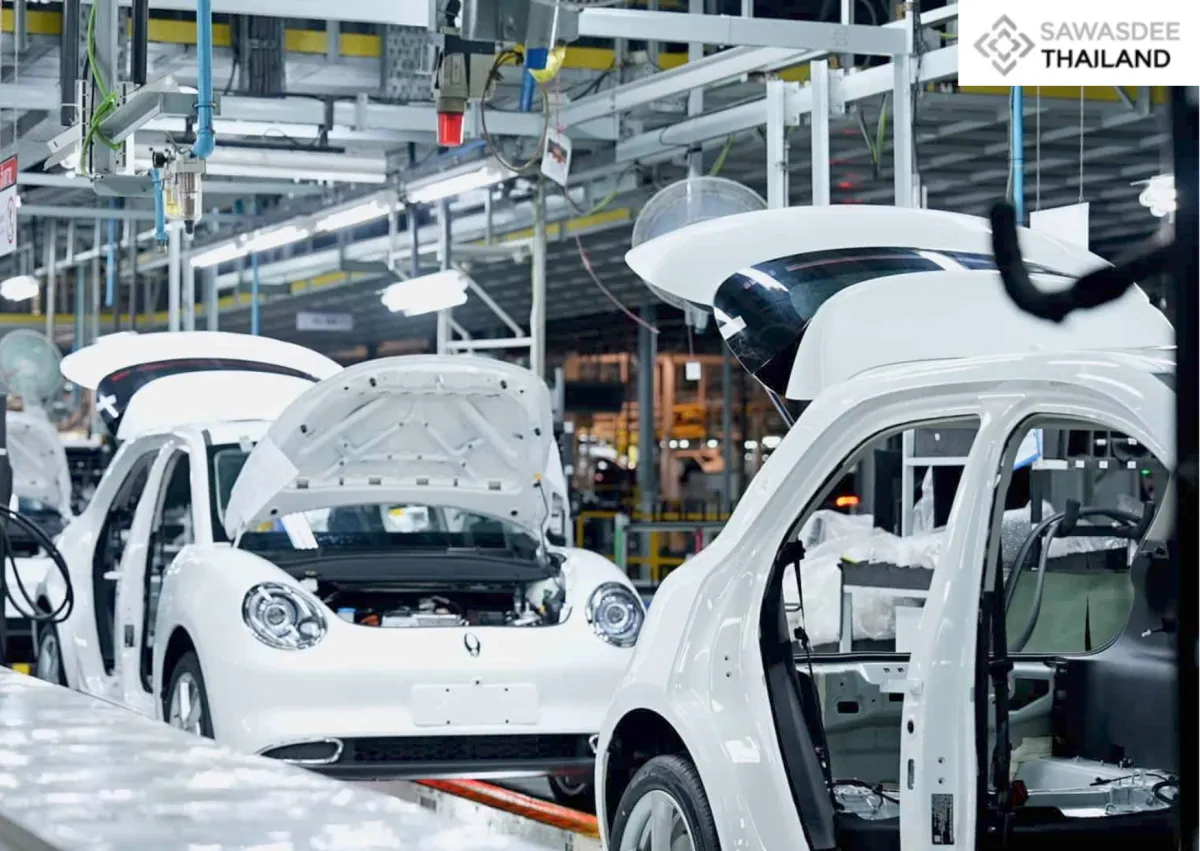
Federation of Thai Industries (FTI) reported that Thailand’s electric vehicle production has surged sharply as automakers rush to meet government deadlines under a national incentive scheme. The spike reflects a major push to localize EV manufacturing after earlier years of tax-free imports.
The momentum is being driven by the EV3.0 program, which requires companies that previously brought in fully built EVs to now offset those imports by assembling more vehicles locally. As deadlines approach, manufacturers have accelerated production lines across the country.
This production rush comes alongside strong demand at home. Sales of battery electric vehicles continue to rise rapidly, helping lift overall vehicle sales despite a softer outlook for conventional models.
The shift highlights a broader transformation of Thailand’s auto industry, with factories increasingly retooled for EV assembly and passenger vehicles taking a larger share of the market.
While traditional engine exports have shown signs of slowing, the EV boom is positioning Thailand as a growing hub for electric mobility in the region, signaling a faster transition toward a cleaner and more future-ready automotive sector.


